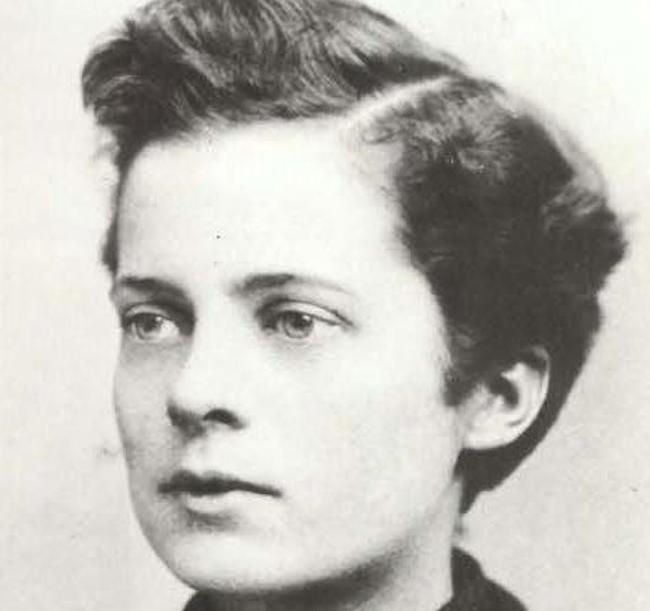
By the autumn of 1895, Edith Lanchester was 24. Born into a prosperous middle-class family, she had studied at London University and Birkbeck and was earning her own living as a clerk at the Cardiff (New South Wales) Gold Mining Company. She was also was already a seasoned socialist campaigner whose ringing voice, it was said, could command the attention of even the most hostile of crowds.
It was through the Battersea branch of the Social Democratic Federation, an early British Marxist party, that she met a factory worker named James Sullivan. She opposed the institution of marriage. “If I [married],” Lanchester said, “I should lose all self-respect, and to lose self-respect is no good for anyone.” It was said she had fallen under the spell of Grant Allen’s 1895 novel The Woman Who Did, whose heroine similarly refused the confines of marriage. A “cheap and nasty philosophy”, the papers reported.
Sullivan, it seems, was more equivocal on the subject and tried to dissuade her. But despite his apparent reservations they did plan, in the phraseology of the day, to start housekeeping together. The date was set for Saturday 26 October. Lanchester – bravely, blithely, foolishly – wrote to her parents to announce the fact.
On the morning of 25 October, she was eating breakfast at her lodgings in Battersea before leaving for work in the City. Her father burst in, accompanied by three of her brothers and Dr Fielding Blandford, one of the country’s leading mental health experts.
 Mathew Lyons
Leave a comment