Absinthe. Libidinal sex. Symbolist poetry. A heady combination, you might think. Throw in a penchant for violence and you have trouble.
It was certainly all too much for Paul Verlaine. In 1871, he was 27 and if not happily married then surely securely so, and about to become a father. He had, though, stopped writing poetry.
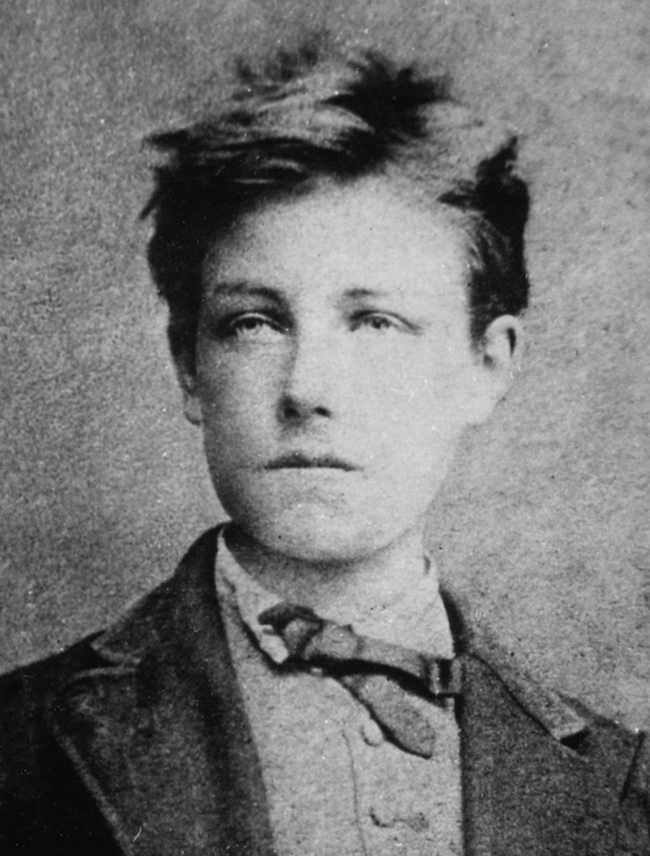
Then he met the 17-year-old Arthur Rimbaud. Rimbaud had, Verlaine thought, “the face of an exiled angel”. The effect on Verlaine was cataclysmic. Perhaps absinthe was the wrong choice of drink. Perhaps it was the right one, because what Verlaine and Rimbaud sought was the ecstasy that comes through excess. They blazed a debauched trail through Paris that even their bohemian friends founds repellent.
Once, when the two were at Le Rat Mort, a favourite café, Rimbaud asked Verlaine to put his hands palm upwards on the table. When Verlaine did so, Rimbaud cut into his wrists with a clasp knife.
Verlaine’s wife Mathilde lived in fear of him for months; he attacked both her and infant son in fits of drunken rage. Then he abandoned them. But at least he was writing again.
The two poets spent months in Brussels and then in North London. By July 1873, they were in Brussels again and Verlaine at least was broken. On 10 July, he was at the Hotel Liégeois with his mother. Rimbaud said he was leaving. Verlaine locked the bedroom door and pulled out a gun. “Wait! I will teach you to leave!” he said. Then he aimed at Rimbaud and pulled the trigger.
The bullet lodged in Rimbaud’s wrist. A second shot went into the floor. Verlaine fled into his mother’s room and threw himself on her bed. Later, Verlaine and his mother suggested Rimbaud stay with them. He declined. Instead, Rimbaud the rebel angel went in search of a policeman to protect him.
Verlaine was ultimately sentenced to two years hard labour. By the time he came out, it was Rimbaud who had stopped writing poetry. He never wrote again.
This is an extended version of a brief piece that first appeared in History Today in July 2024.
 Mathew Lyons
Leave a comment